
Used Car Test Drive Checklist: Inspect and Repair Before Buying
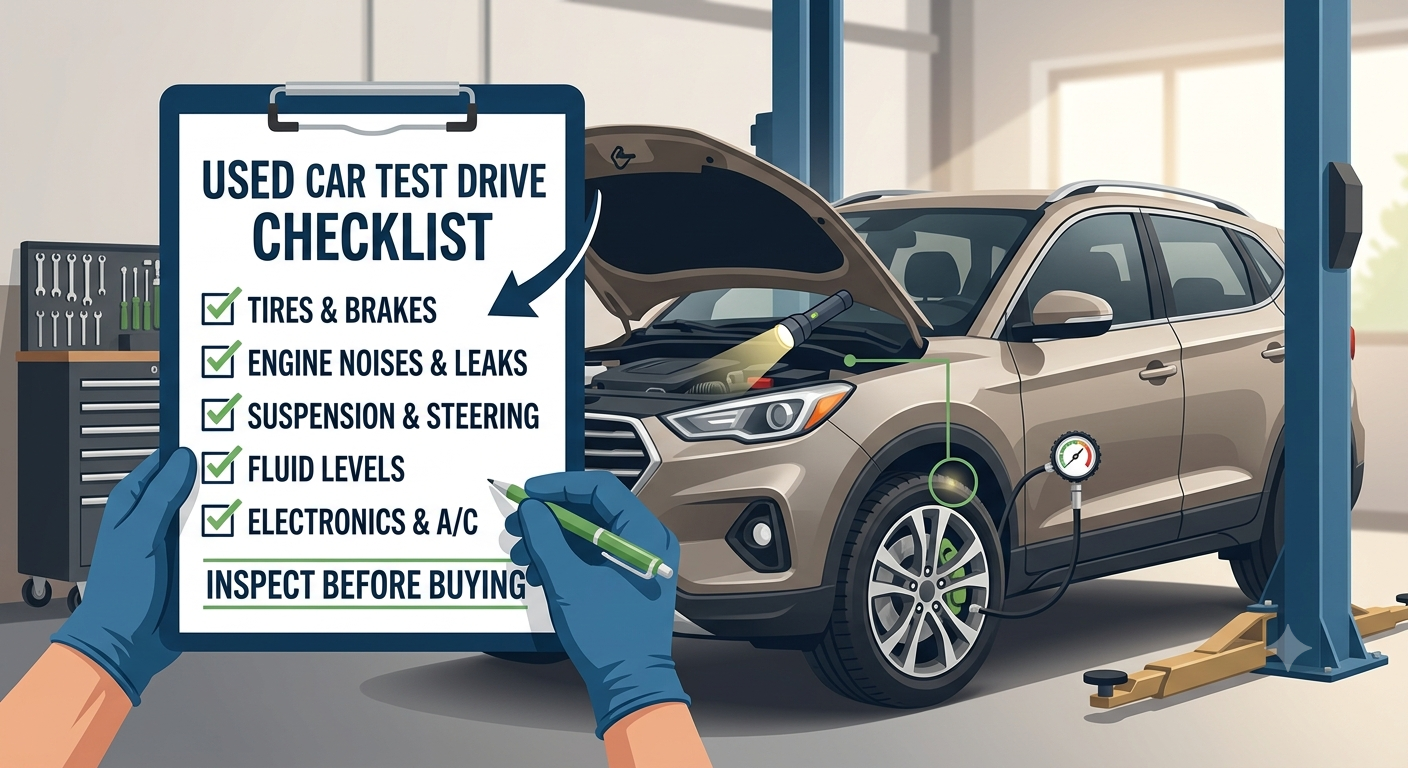
Embarking on the journey of buying a used car can be an exciting yet challenging endeavor. To ensure you make an informed decision and drive away with a reliable vehicle, a comprehensive test drive checklist is an indispensable tool. This guide will walk you through essential steps, from initial preparations to a thorough inspection, helping you identify potential issues and secure a car that meets your expectations.
Preparing for the Test Drive
Understanding the Importance of a Checklist
Before you even get behind the wheel, comprehending the significance of a meticulously crafted test drive checklist is paramount when buying a used car. This systematic approach ensures that you don’t overlook critical aspects of the vehicle’s condition, from the engine’s performance to the functionality of the air conditioning. It serves as your personal automotive inspector, guiding you through a thorough evaluation to uncover any potential issues that might require repair or negotiation with the dealer.
Gathering Necessary Documents: Carfax and More
Prior to arriving at the dealership for your used car test drive, arming yourself with essential documents is crucial. This preliminary inspection of documentation can reveal potential issues even before you walk around the car. Here are some key documents to consider:
| Document | Information Provided |
| Carfax report | Service history, past accidents, odometer discrepancies, previous ownership |
| Other service records | Vehicle’s condition and reliability |
| Owner’s manual | Vehicle’s condition and reliability |
Finding the Right Dealership
Selecting the right dealership is a foundational step in your used-car buying journey. A reputable dealer will readily provide all requested service records and allow ample time for a thorough inspection and test drive. Look for a dealership known for its transparency and customer service, as this can significantly impact your experience. While a private seller might offer a slightly different dynamic, a professional environment often provides a greater sense of security and access to a wider selection of vehicles for your car test drive.
Things to Check During the Test Drive
Inspecting the Vehicle’s Exterior and Interior
Before you even get behind the wheel for the actual test drive, a thorough walk around the car is essential. During this initial inspection, you should look for several key indicators of its condition:
- Signs of rust, uneven panel gaps, or mismatched paint, which could indicate prior accident damage requiring repair.
- The vehicle’s tires, checking the tread depth and tire sidewalls for any cracks or bulges.
These visual cues offer valuable insights into the used car’s overall condition and potential future expenses, ensuring you make an informed decision when buying a used car.
Once inside the cabin, take a moment to inspect the interior features. This meticulous inspection of the interior space is crucial for assessing the vehicle’s condition and comfort, contributing to a more comprehensive understanding of the used car’s reliability. As part of this, you should:
- Check the functionality of the air conditioning, audio system, and all lights, including turn signals.
- Ensure that all seat belts are in good working order.
- Verify that the rearview mirror and side mirrors are easily adjustable for optimal visibility.
Test Driving: Key Areas to Focus On
When you finally start the car and begin the test drive, pay close attention to the engine sounds. Listen for any unusual noises, such as knocking or rattling, and observe how the car starts. As you drive, evaluate the transmission shifts; they should be smooth and free from any clunking or hesitation. Test the acceleration, ensuring the used car responds promptly and without excessive effort, indicating a healthy engine and transmission. This active observation of the vehicle’s performance is paramount during your car test drive.
During the test drive of a used car, focus on the steering wheel’s response and the suspension. The steering should feel tight and responsive, without excessive play or vibration. Drive over various road surfaces to assess the suspension; it should absorb bumps without excessive jarring or squeaking. This detailed examination of how the vehicle handles and steers will give you a clear picture of its overall mechanical health and whether any repair work might be needed to ensure a comfortable and safe driving experience.
Brake Performance and Safety Checks
Brake performance is a critical aspect to evaluate during your used car test drive. When the brake pedal is applied, the vehicle should come to a smooth, controlled stop while maintaining a straight path without drifting to either side. Pay attention to any squealing or grinding sounds, as these may be signs of worn brake pads or damaged rotors that need prompt attention. A thorough brake check is non-negotiable for safety, ensuring the car’s reliability and your peace of mind when buying a used car.
In addition to the main brake test, carry out other safety inspections, including checking the parking brake. Verify that it can hold the vehicle firmly in place, especially when parked on an incline. Observe the dashboard for any warning lights related to the anti-lock brake system (ABS) or traction control. These checks are fundamental to a comprehensive test drive checklist, helping you identify potential issues that could compromise your safety or lead to costly repairs down the line. A well-performing brake system is paramount for any used car.
Mechanical Inspection After the Test Drive
Transmission and Steering Evaluation
After your initial drive, a detailed mechanical inspection is crucial. When evaluating the transmission, pay close attention to the transmission shifts. They should be smooth and free from any clunking or hesitation, indicating a healthy gearbox. Any signs of uneven shifting or unusual engine sounds could point to significant repair needs. The steering wheel should feel responsive, without excessive play or vibration, ensuring a safe and comfortable driving experience during your test drive.
Assessing the Suspension System
Assessing the suspension system is another critical step in your used car checklist. During the test drive, drive over various road surfaces to gauge how the suspension handles bumps. It should absorb imperfections without excessive jarring, squeaking, or bottoming out. Unusual noises or a bouncy ride could indicate worn shock absorbers or other suspension components that will require repair, impacting the vehicle’s condition and your comfort when buying a used car.
Consulting a Mechanic for Expert Advice
For a thorough and reliable assessment, it is highly recommended to consult a mechanic for expert advice. Even if you complete a comprehensive test drive checklist and inspect the vehicle yourself, a certified mechanic can uncover potential issues that may not be apparent to the untrained eye. This pre-purchase inspection can save you from costly future repairs and provide peace of mind, ensuring the used car’s overall reliability and value.
Final Considerations Before Buying
Understanding Repair Needs and Costs
Before making a final decision on buying a used car, it is vital to have a clear understanding of any identified repair needs and their associated costs. Factor in these potential expenses when negotiating the price with the dealer or private seller. This informed approach, based on your test drive and any mechanic’s inspection, helps you avoid unexpected financial burdens and ensures that the overall cost of the used car remains within your budget and expectations.
Reviewing the Test Drive Experience
Take time to thoroughly review your entire test drive experience. Consider all the things to check during the test drive, from the engine sounds to the brake performance and the feel of the steering wheel. Reflect on your observations about the transmission shifts, the suspension, and the functionality of the air conditioning and audio system. This comprehensive review, comparing it against your test drive checklist, will help solidify your impression of the vehicle’s condition and suitability.
Making an Informed Decision
Ultimately, making an informed decision about buying a used car relies on combining all the information gathered through your test drive checklist, mechanical inspection, and understanding of repair costs. Do not rush the process. If there are still red flags or lingering doubts, it’s wise to walk away.
When purchasing from a reputable dealer such as Hudson’s Autos LLC, you may also have access to additional vehicle information, financing options, and customer support that can make the buying process smoother. A thorough test drive and diligent inspection process will empower you to choose a reliable used car that meets your needs and expectations, ensuring long-term satisfaction.