
Understanding the Difference Between a Used Car Dealer and a Private Seller
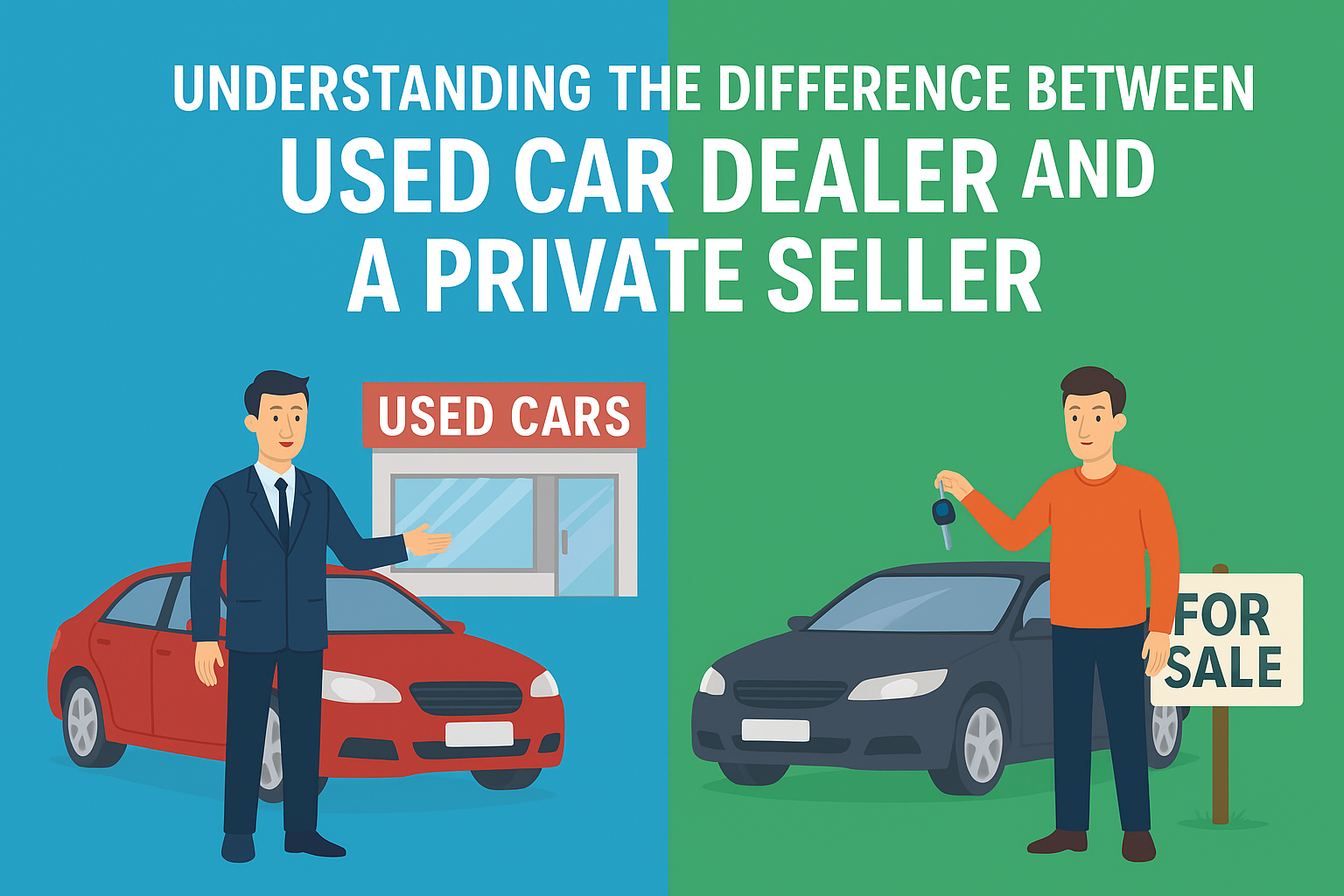
When it comes to purchasing a vehicle, many buyers face a crucial decision: should you buy a car from a used car dealer or a private seller? Understanding the differences between these two options is essential for making an informed decision that aligns with your needs and budget. This blog will explore the advantages and disadvantages of each option, helping you navigate the world of used cars more effectively.
What Are the Key Differences Between a Dealer and a Private Seller?
When you consider buying a used car, the distinction between a dealer and a private seller is significant. A used car dealer operates a registered business and typically offers a variety of vehicles, while a private seller is an individual looking to sell their personal car. Understanding these differences can impact your buying experience.
Dealers often provide a broader selection of used cars, whereas private sellers might offer lower prices. However, with a dealer, you may benefit from warranties and financing options, which are less common in private sales.
What Are the Advantages of Buying a Used Car from a Dealer?
Buying from a used car dealer presents several advantages:
- Warranties: Many dealers offer limited warranties on their vehicles, providing peace of mind.
- Financing Options: Dealers often facilitate financing through various lenders, making it easier to secure a car loan.
- Vehicle History Reports: Reputable dealers provide vehicle history reports, allowing buyers to inspect the car’s past.
What Are the Disadvantages of Buying from a Dealer?
Despite the benefits, purchasing from a dealership has its drawbacks:
- Higher Prices: Generally, cars at dealerships are priced higher than those from private sellers.
- Sales Pressure: Dealers may employ high-pressure sales tactics, which can be uncomfortable for buyers.
- Limited Negotiation: The price may be less negotiable compared to private sales.
What Are the Advantages of Buying a Car from a Private Seller?
Buying a car from a private seller can also be beneficial:
- Lower Prices: Private sellers typically offer cars at lower prices than dealerships.
- Direct Negotiation: You can negotiate directly with the seller, potentially securing a better deal.
- More Detailed Vehicle History: Sellers can provide personal insights about the car’s history, maintenance, and performance.
What Are the Drawbacks of Purchasing a Used Car from a Private Seller?
However, there are some cons of buying from a private seller:
- No Warranties: Typically, private sales do not come with warranties, leaving buyers responsible for repairs.
- Limited Financing Options: Most private sellers expect payment in full, making it harder for buyers needing financing.
- Risk of Misrepresentation: Certain sellers might inaccurately describe the vehicle’s condition, resulting in unforeseen problems.
How Can You Inspect a Car Before You Buy?
Regardless of whether you choose a dealer or a private seller, inspecting the car is crucial:
- Check the Vehicle Identification Number (VIN): Ensure it matches the title and registration.
- Request a Vehicle History Report: This report can reveal any past accidents or title issues.
- Test Drive: Always take the car for a test drive to assess its performance.
What Should You Ask the Seller?
Whether purchasing from a dealer or a private seller, it’s crucial to ask the right questions:
- What is the car’s maintenance history?
- Are there any existing warranties?
- Why are you selling the car?
What Is the Process for Financing a Used Car?
If you’re considering financing a used car, here are some steps:
- Check Your Credit Score: Your credit score affects your loan options.
- Research Loan Options: Look for used car loans from banks and credit unions.
- Get Pre-Approved: Securing pre-approval can streamline the buying process.
How Do Car Prices Compare Between Dealers and Private Sellers?
Understanding car prices is vital when deciding between a dealership and a private seller:
- Dealers: Prices at car dealerships may include additional fees, such as sales tax and documentation fees.
- Private Sales: Prices are often more flexible, but sellers may not budge much from their asking price.
What Are the Best Practices for Buying Used Cars?
Here are some best practices when shopping for a used car:
- Research Thoroughly: Understand the market value of the car you want.
- Inspect Before You Buy: Always have a mechanic inspect the vehicle for any hidden issues.
- Take Your Time: Don’t rush the decision; ensure you’re comfortable with your purchase.
Where Should You Buy a Used Car?
Ultimately, the decision between a dealer or a private seller depends on your individual circumstances:
- If you prioritize convenience and financing options, a used car dealership may be the best route.
- If you’re looking for lower prices and don’t mind the extra work, buying from a private seller can be advantageous.
Difference Between a Used Car Dealer and a Private Owner: Main Differences
| Criteria | Used Car Dealer | Private Owner |
| Source | Car from a dealership | Car from a private seller |
| Vehicle History Report | Often provides a vehicle history report | May not always provide a vehicle history report |
| Inspection | Usually cars inspect before sale | Inspection is up to the buyer, may recommend it |
| Pricing | Prices may be higher due to overhead costs | Potentially lower prices, but varies by private seller |
| Negotiation | More structured negotiation process | Flexible negotiation can vary with the seller |
| Financing Options | Can offer financing options and car loans | No financing options, payment is usually upfront |
| Warranty | May offer warranties on used vehicles | Typically sold as-is without warranties |
| Car Insurance | Can assist with insurance options | Buyers must handle their own insurance |
| Test Drive | Test drives are typically allowed | Test drives must be arranged with the seller |
| Follow-up Services | Often provides service after the sale | Limited to no follow-up services |
| Advantages | Convenience, reliability, and varied selection | Potential for better deals and direct negotiation |
| Disadvantages | Higher prices and possible upselling | Less security and potential for misrepresentation |
Conclusion:
In conclusion, understanding the difference between a used car dealer and a private owner is crucial for anyone looking to purchase a vehicle. Each option has its pros and cons, and being informed can help you secure the best deal for your needs. If you’re searching for used cars for sale, consider visiting Hudson’s Autos LLC, a reputable used car dealership in Chandler, AZ, offering a wide selection of vehicles, competitive financing options, and exceptional customer service.
Frequently Asked Questions
1. What are the key differences between purchasing from a used car dealer versus a private seller?
Ans: Buying from a used car dealer typically offers more security and options for financing, while purchasing from a private seller may provide a better deal but less consumer protection.
2. Do I need a vehicle history report when buying from a private seller?
Ans: Yes, obtaining a vehicle history report is crucial whether you buy a car from a private seller or a dealership to ensure you’re aware of any past issues.
3. What are the advantages of buying a used car from a dealership?
Ans: Dealerships often provide warranties, certified pre-owned options, and the ability to finance a used car, which can make the purchasing process smoother.
4. Are there cons of buying a used car from a private individual?
Ans: Buying from a private individual may involve risks such as misrepresenting a used car’s condition, and there is typically no warranty or after-sale support.
5. How can I ensure I’m getting the best deal on a used car?
Ans: Research car prices, inspect the car, and compare offers from different dealers and private sellers to find the best deal when buying used.
6. Should I test driving a used car before making a purchase?
Ans: Absolutely, test driving a used car is essential whether you’re buying from a dealer or a private seller to assess its condition and performance.